
Tech
How Does a Smartwatch Work? Explained in Simple Terms

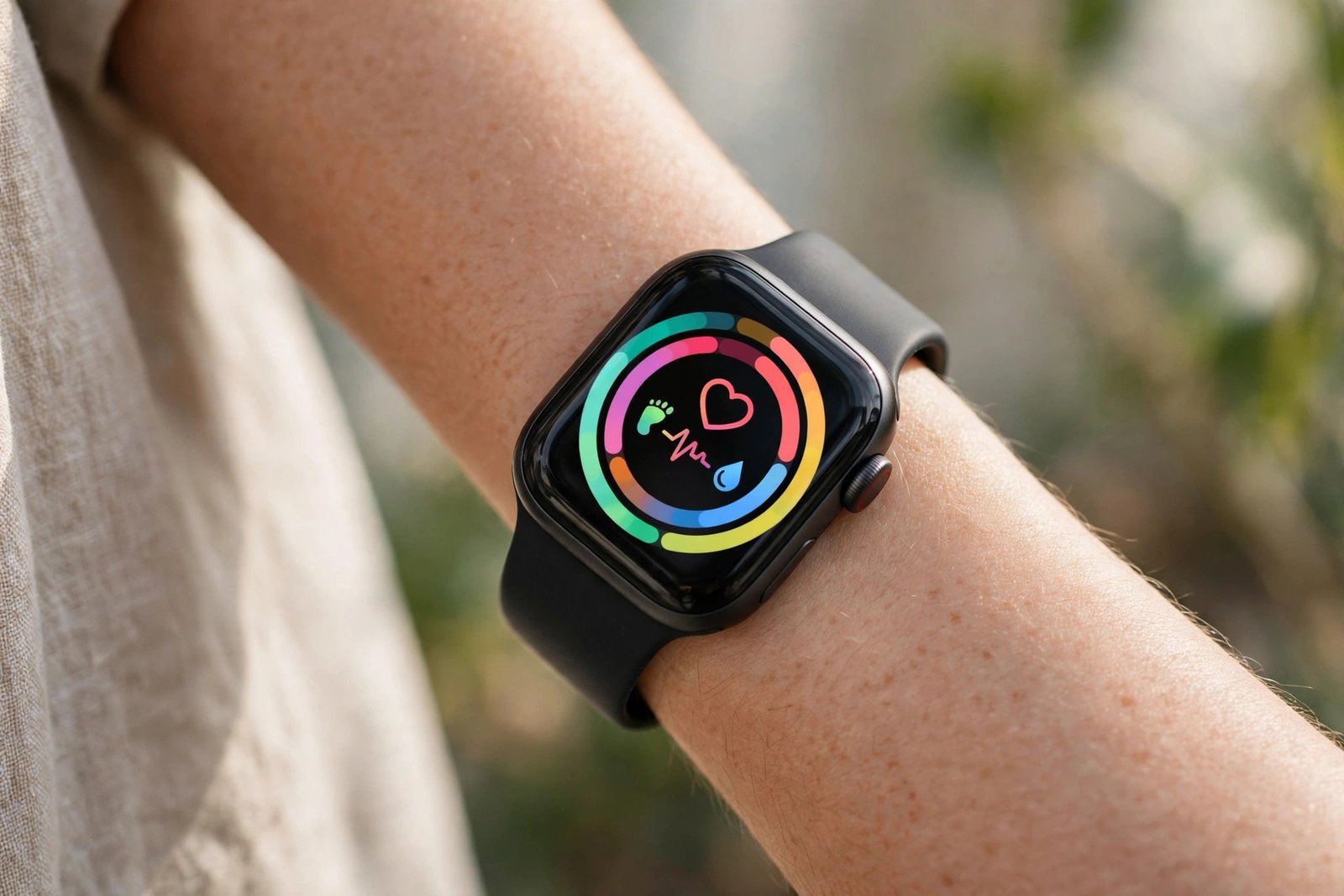
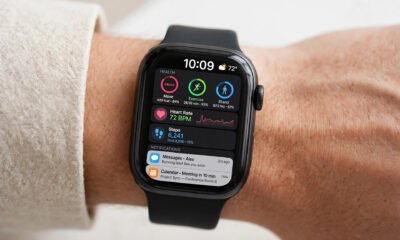
A smartwatch looks like a regular watch, but it is really a tiny computer you wear on your wrist. It connects to your phone, tracks your movement and health, and shows messages and calls without you having to pull your phone out of your pocket.
So how does it all actually work? The short answer is simple: small sensors collect information about your body and movement, a small processor makes sense of that information, and a wireless connection keeps the watch in sync with your phone. Let us walk through each part in plain terms.
How a Smartwatch Connects to Your Phone
Most smartwatches start by pairing with your phone over Bluetooth. Bluetooth Low Energy is a short-range wireless connection that uses very little power, which is why your watch can stay connected all day without draining its small battery in a few hours.
When you first set up a watch, you use a companion app on your phone — the Watch app on an iPhone, or the Wear OS or Galaxy Wearable app on Android. The app copies your settings to the watch, manages which notifications reach your wrist, and lets you install apps and change watch faces.
After that first setup, the phone and watch talk to each other in the background. Your phone sends notifications to the watch, and the watch sends health and activity data back to the phone, where the companion app turns it into charts and trends you can look at later.
Some watches also have Wi-Fi, which lets them stay in sync when they are on your home network but out of Bluetooth range. A smaller number have cellular built in, with their own mobile plan, so they can make calls and use data even when your phone is not nearby.
What Is Inside a Smartwatch?
Inside that small case there are a few key parts working together:
- A processor: a tiny chip, often called a system-on-a-chip, that runs the watch’s operating system and apps. Apple Watches run watchOS, most Android-compatible watches run Wear OS, and each system is designed to do a lot of work while using very little power.
- Sensors: the parts that measure your body and movement. We will look at these in more detail below.
- A display: usually a touchscreen you tap and swipe, plus a button or a rotating crown for scrolling.
- A battery: a small rechargeable lithium-ion battery. Full-featured smartwatches often last a day or two on a charge, while simpler watches with fewer features can last a week or more.
- Memory and storage: a small amount of space for apps, music, and your recent health data.
How the Sensors Track Your Body
The sensors are what make a smartwatch “smart” in the health sense. Here is what the common ones do:
Heart rate sensor
On the back of the watch, green LED lights shine into your wrist, and a light sensor measures how much light bounces back. Because blood absorbs green light, the changing reflection matches the pulsing of your blood — and that is how the watch works out your heart rate. This method is called photoplethysmography, or PPG for short.
Accelerometer and gyroscope
The accelerometer measures movement and changes in speed, while the gyroscope measures rotation and orientation. Together they count your steps, notice when you raise your wrist to look at the screen, and help the watch tell walking apart from running or cycling.
GPS
Many watches have GPS built in. Outdoors, GPS tracks where you go and how far and how fast you move, so your run or bike ride shows up as a route on a map in the companion app. Indoors, where GPS does not work well, the watch estimates distance from your steps instead.
Blood oxygen and other sensors
Some watches also measure blood oxygen using red and infrared light, and some can take an ECG reading when you hold a finger on the crown or bezel. These readings are useful for spotting trends over time, but a smartwatch is not a medical device — if a reading worries you, talk to a doctor rather than relying on the watch alone.
How Step Counting and Workout Tracking Work
Step counting is mostly pattern recognition. The accelerometer picks up the rhythmic up-and-down motion of your arm as you walk, and the watch’s software counts those repeating patterns as steps. It is not perfect — pushing a shopping cart or waving your arms can confuse it — but over a full day it gives a good picture of how active you have been.
Workout tracking works the same way, just with more data. When you start a workout, the watch combines movement patterns, heart rate, and GPS to work out what you are doing and how hard you are working. Over time it learns your patterns, which is why its estimates tend to get a little better the more you use it.
Sleep tracking is similar. At night the watch looks at how still you are, your heart rate, and your movement through the night, and uses that to estimate when you fell asleep, when you woke up, and how much of the night was light, deep, or REM sleep.
How Notifications and Calls Work
When a message, email, or call arrives on your phone, your phone forwards a copy of that notification to the watch over Bluetooth. The watch buzzes gently on your wrist and shows a short preview on the screen.
On many watches you can reply without touching your phone: with a voice reply, a quick pre-written answer, or a tiny on-screen keyboard. If the watch has a speaker and microphone, you can also take calls on your wrist while your phone stays in your pocket or bag, as long as the two are connected.
Music control works the same way. The watch sends play, pause, and skip commands back to your phone, and some watches can store music directly so you can listen with wireless earbuds while you run without your phone at all.
What Works Without Your Phone Nearby?
Even with no connection at all, a smartwatch still tells the time, runs its alarms and timers, and keeps tracking steps, workouts, and heart rate. It stores that data and syncs it to your phone later, when the two reconnect.
What stops working without a connection depends on the watch. Bluetooth-only models cannot receive new notifications or calls until they are back in range of your phone. Wi-Fi models can keep syncing some things on a known network, and cellular models can keep calling, messaging, and streaming on their own — though they still need a phone for the initial setup and for managing apps. If you want the full detail, see our guide on whether smartwatches work without a phone.
How Battery Life and Charging Work
A smartwatch battery is tiny compared to a phone battery, so everything inside is built to sip power. The screen only lights up fully when you raise your wrist, Bluetooth Low Energy uses far less power than regular Bluetooth, and the processor slows down when there is nothing to do.
Features like always-on display, GPS tracking, and cellular data use the most power, which is why a long GPS workout or a day with the screen always on will drain the battery faster. Most watches charge on a small magnetic puck or a charging stand, and a full charge usually takes an hour or two.
Putting It All Together: A Normal Day
Here is what a normal day looks like behind the scenes. Your watch tracks your sleep overnight, then buzzes to wake you. As you get ready, notifications from your phone appear on your wrist. On your morning walk, the accelerometer counts your steps and GPS maps your route. At work, calls and messages come through without you reaching for your phone. In the evening, a workout session combines heart rate and movement data into a summary. Overnight, all of that syncs to your phone, where the companion app turns it into trends you can actually use.
That is really all a smartwatch is: sensors collecting data, a small processor making sense of it, and a wireless link keeping it in step with your phone. If you are still deciding whether one is right for you, our plain-English guide to what a smartwatch is is a good place to start, and if better sleep data is what you are after, see how to track sleep on a smartwatch.
Frequently Asked Questions
Does a smartwatch need a phone to work?
It needs a phone for setup and for notifications, but it still tells the time and tracks activity on its own. Cellular models can also call and message without a phone nearby.
Does a smartwatch work without Bluetooth?
Without Bluetooth it cannot sync with your phone or receive new notifications, but it keeps showing the time and recording steps and heart rate, and syncs everything later.
Is the health data on a smartwatch accurate?
It is good enough for everyday trends — how active you were this week, how your resting heart rate is changing — but it is not a medical device and should not replace proper medical checks.
How long does a smartwatch battery last?
It depends on the model and the features you use. Full-featured watches usually last a day or two, while simpler ones can last a week or more. GPS and always-on display drain the battery fastest.




How Does a Smartwatch Work? Explained in Simple Terms

Smartwatch vs Fitness Tracker: Which One Should You Buy in 2026?

7 Best Smartwatches for Beginners in 2026: Simple Picks for Every Phone

Empower Your SEO and Design with Seotoolsgroupbuy.us’ Designer Plan

Twstalker Twitter Web Viewer: Guide to Anonymous Twitter Browsing
