
Finance
Westlake Financial: Auto Loans, Rates & Review (2026)

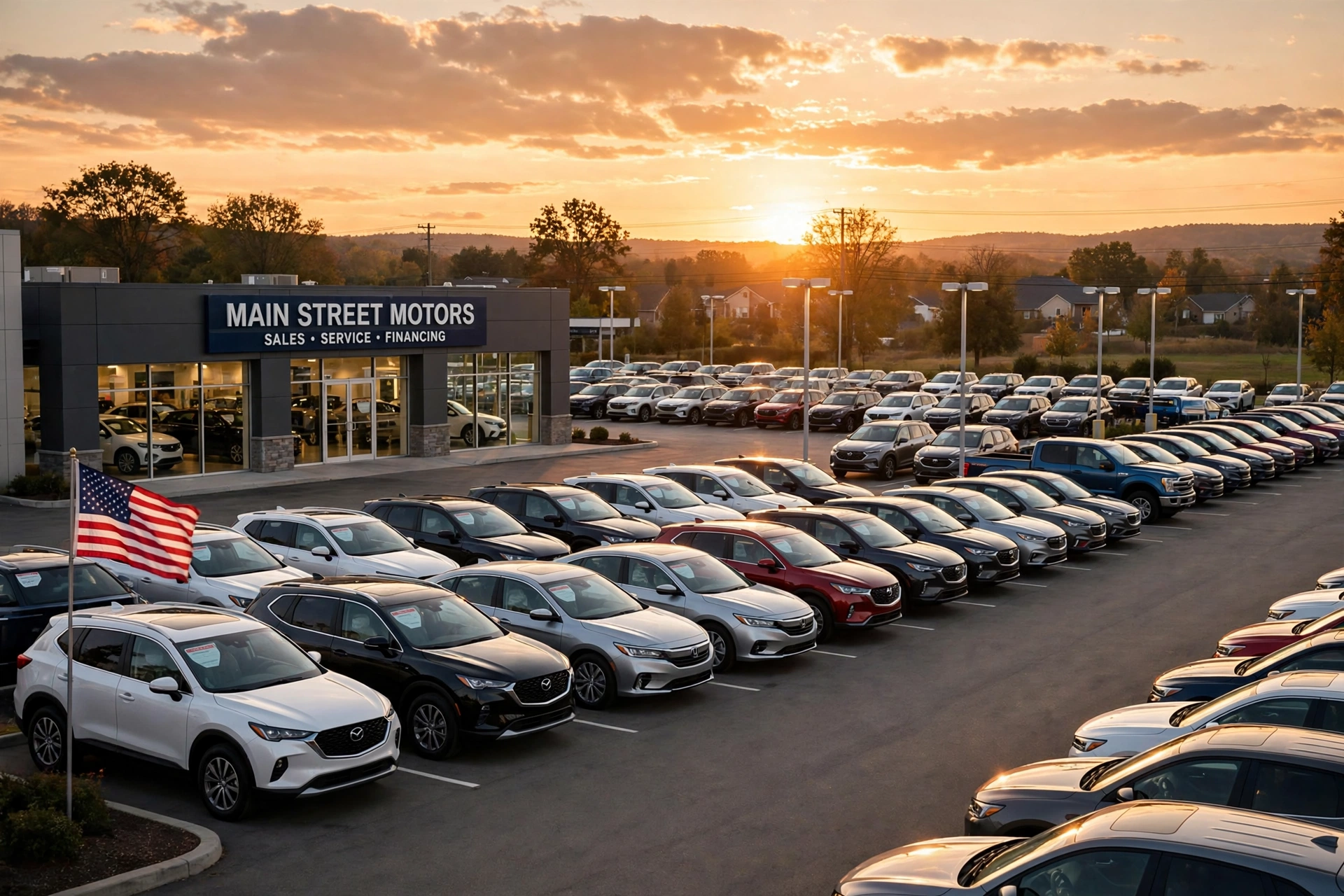
If your credit is rough and you still need a car, you have probably heard the name Westlake Financial. It is one of the biggest auto finance companies in the United States, and it works with people that most banks turn away. But the loans come with a catch: high interest rates and a lot of complaints about customer service. Here is a plain, honest look at what Westlake Financial is, what it offers, and whether it is the right move for you.
What Is Westlake Financial?
Westlake Financial Services is an auto finance company based in Los Angeles, California. It was founded in 1988 by Don Hankey, and it is part of the Hankey Group. It started out as a lender for buyers with poor credit, and today it describes itself as a full-spectrum lender, meaning it finances buyers across the credit range, from subprime to prime.
The company works through a network of more than 30,000 dealerships across the country, according to its own website. When you buy a car at one of its partner dealers, Westlake is the company that actually funds and services the loan. In 2018, Westlake said it held $7.73 billion in assets, making it one of the largest privately owned auto finance companies in the country.
What Services Does Westlake Financial Offer?
Most people deal with Westlake for one thing: an auto loan arranged through a car dealership. But the company runs several programs:
- Indirect auto loans – Financing for new and used cars, set up through a partner dealer. This is how almost every customer borrows from Westlake.
- Online pre-qualification – You can get pre-qualified on westlakefinancial.com without a hard pull on your credit, then browse vehicles you are approved for.
- Account management and payments – The MyAccount portal lets you make payments by ACH or debit card, view statements, and check your credit score for free.
- Secured loans – Through its affiliate LoanCenter, Westlake offers secured loans where you borrow against your vehicle.
- Dealer-side services – Westlake also runs floorplan financing, portfolio buying (ALPS), and auto leasing (CULA) for dealerships themselves.
Who Is Westlake Financial For?
Westlake’s main customer is the buyer who cannot get approved elsewhere. Reviewers like LendingTree note that Westlake has no minimum credit score, no minimum income requirement, and no minimum job or residence history requirements. It may approve buyers with past or even open bankruptcies.
That makes it an option if your credit is bad or thin and you need a car now. If your credit is good, a bank or credit union will almost always give you a better deal, so Westlake is rarely the best choice for prime borrowers.
Pros and Cons
Pros
- Approves bad-credit buyers. If banks and credit unions said no, Westlake may still say yes. No minimum credit score or income.
- Pre-qualify without a credit hit. You can check your eligibility on their website before visiting a dealer, and it will not affect your credit score.
- Huge dealer network. With 30,000+ partner dealerships nationwide, you can likely find one near you.
- Tools for managing the loan. Online payments, statements, and a free credit score check in the account portal.
Cons
- Very high interest rates. Westlake does not publish its rates openly. Third-party reviews report APRs up to around 29.99%, which is far above what banks charge. This is the single biggest downside.
- Only through partner dealers. You cannot just apply directly and buy anywhere – the car must come from a dealership that works with Westlake.
- Poor customer service reviews. Westlake has many complaints on review sites about hard-to-reach representatives, payment issues, and repossessions. LendingTree cites frequent customer service complaints in CFPB data.
- Limited rate transparency. You often will not know your exact rate and terms until you are sitting at the dealership.
FAQs
What are Westlake Financial’s rates?
Westlake does not list rates on its website. According to third-party reviews, APRs can run from low single digits for top credit scores up to roughly 30% for the weakest borrowers. Your actual rate is set at the dealership, so always ask for the full terms in writing before signing.
Is there a minimum credit score?
No. Westlake has no published minimum credit score, and buyers with bad or no credit can be approved. Approval depends on the full picture, not just the score.
Is Westlake Financial legit?
Yes, it is a real company. Westlake has been in business since 1988, is based in Los Angeles, and says it funds loans through more than 30,000 dealerships. It is a member of the Hankey Group. Being legit does not mean it is cheap, though – always compare its offer with a bank or credit union quote first.
Can I refinance out of a Westlake loan later?
Many borrowers do exactly that. If your credit improves after a year of on-time payments, you can apply with a bank or credit union to refinance at a lower rate. This is a common strategy for escaping a high-APR subprime loan.
What happens if I miss payments?
Like any auto lender, Westlake can report late payments to the credit bureaus, charge late fees, and eventually repossess the vehicle if you stop paying. Missing payments will hurt your credit score.
The Verdict
Westlake Financial is a real, established lender that fills a real gap: it gives car loans to people with bad credit when nobody else will. For a buyer who needs a car today and has no better option, it can work, especially as a stepping stone – make your payments on time, build your credit, and refinance to a cheaper loan later.
But go in with your eyes open. The interest rates are steep, the exact terms are often unclear until the dealership visit, and customer service reviews are rough. If you have decent credit, shop around with banks and credit unions first – you will almost certainly find a lower rate there. And whatever you decide, read every line of the loan contract before you sign it.
Note: This article is for information only and is not financial advice. Loan terms change, so confirm current details with Westlake or the dealership before borrowing.

Westlake Financial: Auto Loans, Rates & Review (2026)

What Is Kick? The Streaming Platform Explained (2026)

How to Vote in the US Midterms (2026): A Simple Step-by-Step Guide

Empower Your SEO and Design with Seotoolsgroupbuy.us’ Designer Plan

Sejda PDF Editor Review: Features, Pricing & Best Alternatives
